


Compare suburbs before you move
Use suburb comparison pages to weigh commute, rent context, services, safety source notes, and everyday fit before a lease, stay, or campus routine starts shaping your week.



Burb Mate
Neighbourhood context for new arrivals.
Burb Mate is built for people arriving in Australia who need suburb context, practical arrival resources, and local signals before the first big decisions start stacking up.
From neighbourhood maps and noticeboards to private records and issue reporting, it keeps the useful pieces close when you are still learning how a place works.
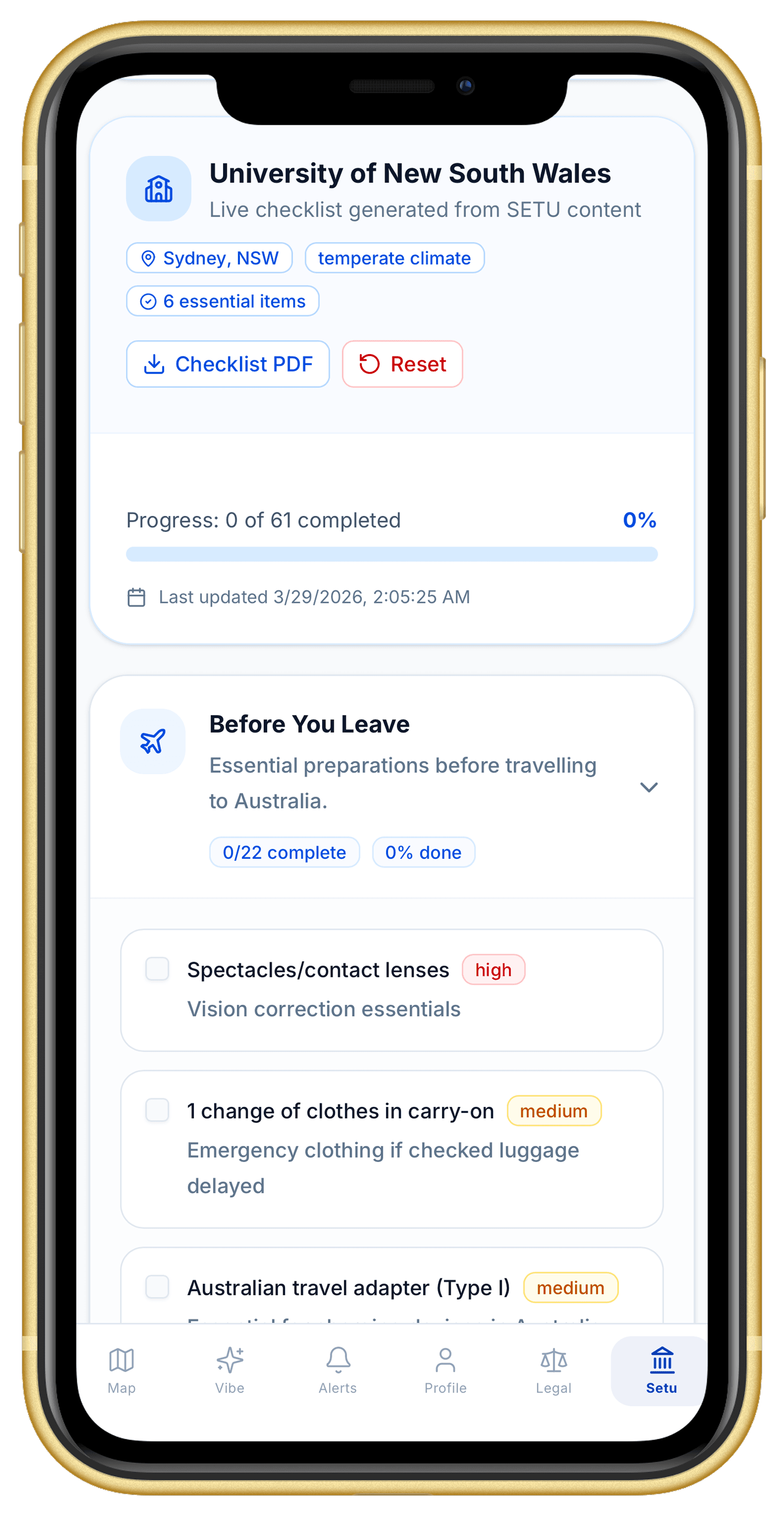
A calmer way to get through the first days, with setup guidance and practical resources shaped around arriving in Australia.
Map-led suburb signals and local context before a rushed decision becomes an expensive one.
Photos, files, notes, and links held together so your own evidence stays organised when you need it.
Noticeboards, updates, and everyday context that keep the app useful after the move is already underway.

Burb Mate is built for people arriving from all over the world who need suburb signals, arrival resources, noticeboards, and everyday orientation across Australian cities.

If you are arriving from India or China, we will take you to the country-specific arrival experience. Everyone else can continue here with Burb Mate.
One quick prompt to route India and China arrivals to dedicated experiences and keep everyone else here.
Country prompt
Choose your country to start in the right place. If you pick India or China, we will take you to the dedicated arrival experience.


Suburb resources
Moving, studying, renting, or travelling in Australia often starts with one hard question: what is this area actually like day to day? Suburb helps people compare local context before they commit to a rental, a campus commute, a share house, or a new routine. Use it as a practical starting point for suburb signals, arrival resources, fuel and cost context, and safety source notes, then follow official links when the decision depends on visa, tenancy, or legal rules.
Use suburb comparison pages to weigh commute, rent context, services, safety source notes, and everyday fit before a lease, stay, or campus routine starts shaping your week.
Australian rental rules, fuel data, safety sources, and arrival routines vary by state and territory. Start with the local guide, then move into city and suburb pages.
Rental decisions should be checked against state rules, condition reports, bond process, inspection notes, and scam warning signs before money or documents move.
Campus distance is only the start. Compare transport, verified accommodation, housemate terms, local services, and daily routines near major universities.
Fuel pages should show source, freshness, fuel type, and state coverage limits so commuters, travellers, and students can read cost signals carefully.
Safety pages should combine official source notes with practical checks like transport routes, lighting, building access, and the limits of each dataset.
Source-sensitive pages should show when they were updated and whether the information is live, periodic, editorial, or linked from an official source.
The new resource library uses direct answers, visible sources, stable URLs, and FAQ blocks so people and AI assistants can understand what Suburb is useful for.
Suburb does not treat safety or renting as guesswork. Each guide should show where its information comes from, when it was updated, and what the data can and cannot prove. Crime, tenancy, fuel, visa, and accommodation information can vary by state or territory, so Suburb pages should point readers to official sources and make the practical next step clear before money, documents, or personal details are shared.
Sources listed on each guide. Updated: 25 April 2026.